01
Contemporary Living Spaces
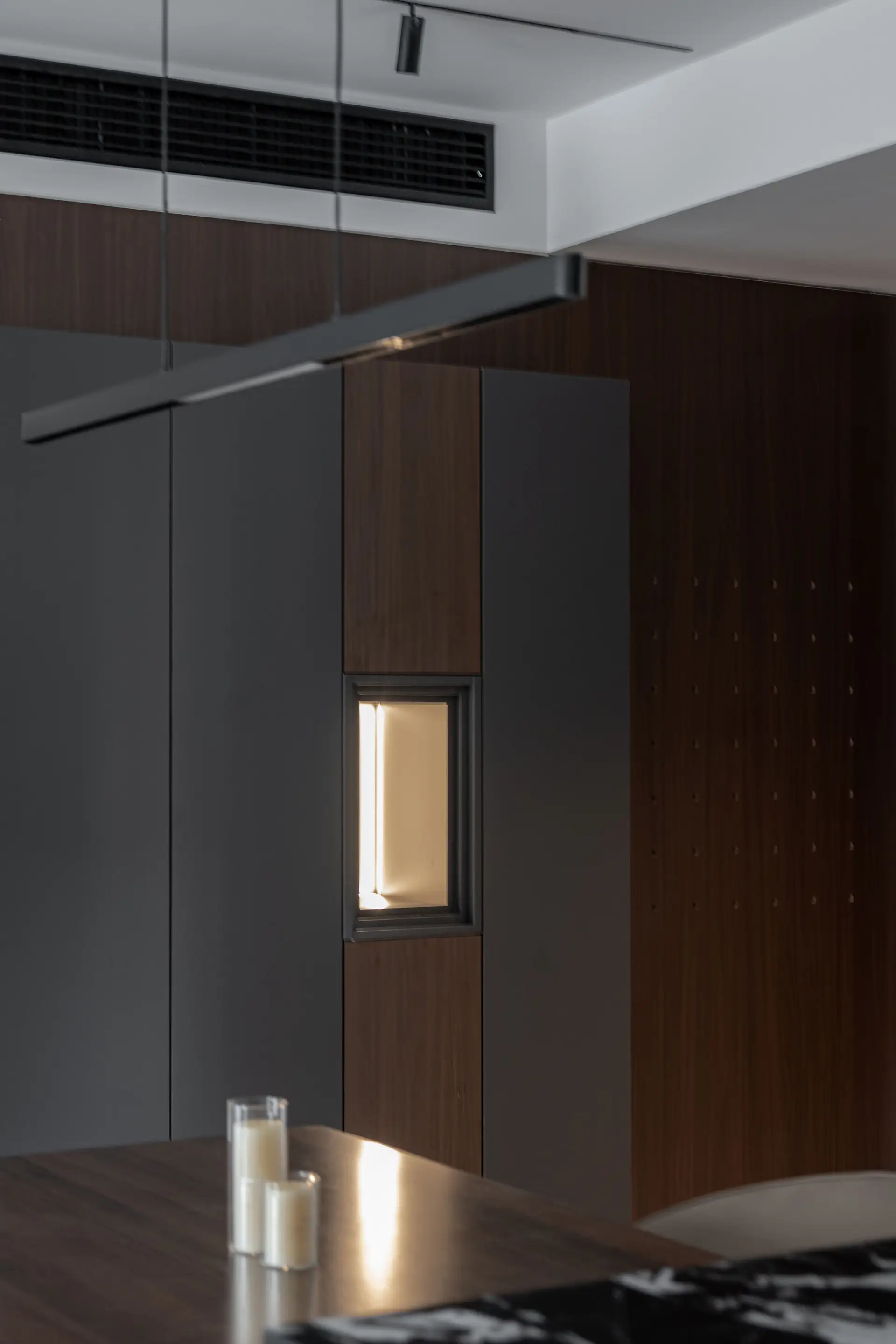
Calm proportions, bespoke millwork, and balanced natural light.
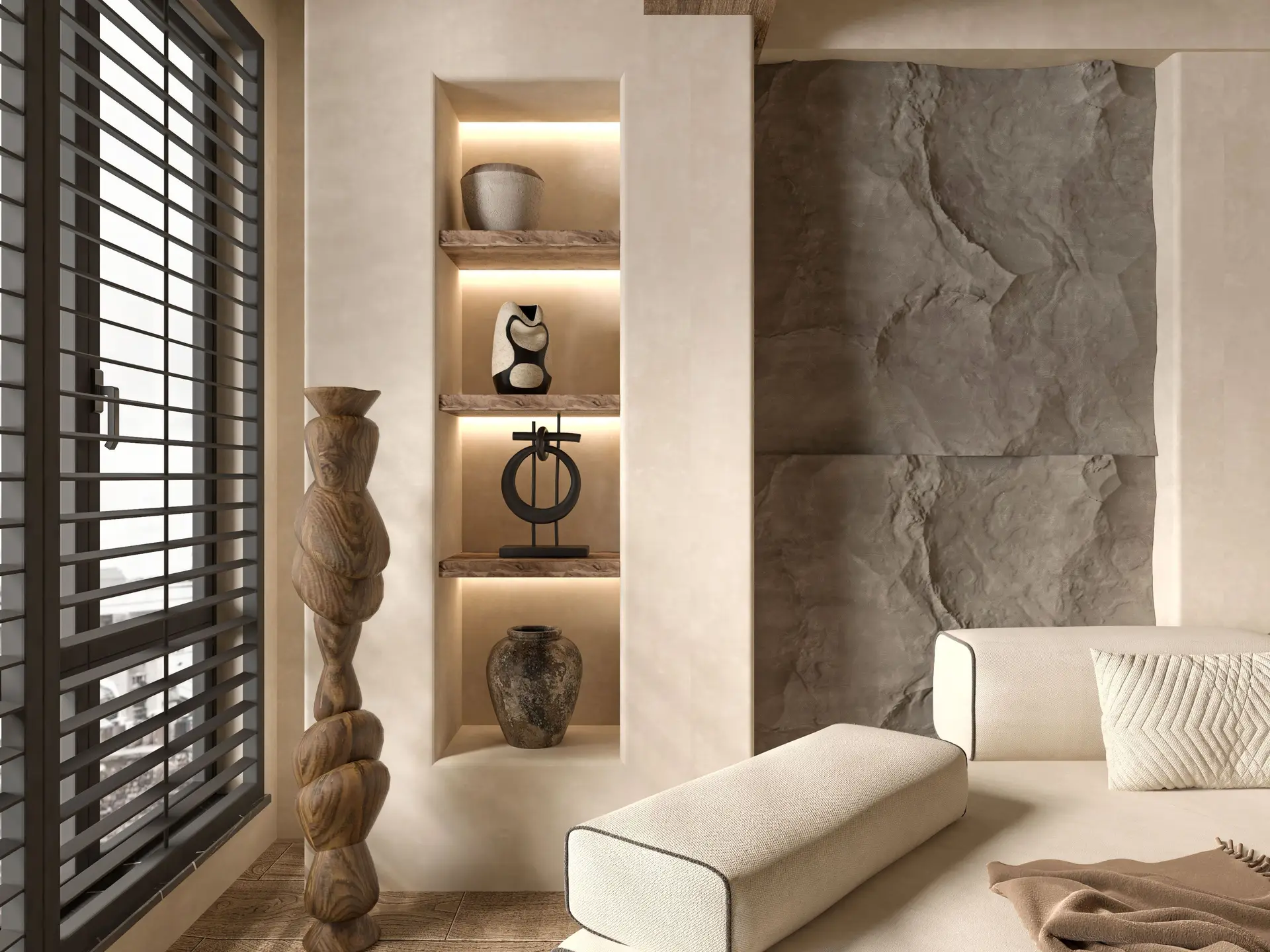
Discover a considered approach to interior design, where timeless materials, contemporary forms and individual character come together.
Four distinct avenues exploring tactile residential interiors, bespoke sculptural furnishings, and architectural illumination tailored to contemporary British homes.
Calm proportions, bespoke millwork, and balanced natural light.
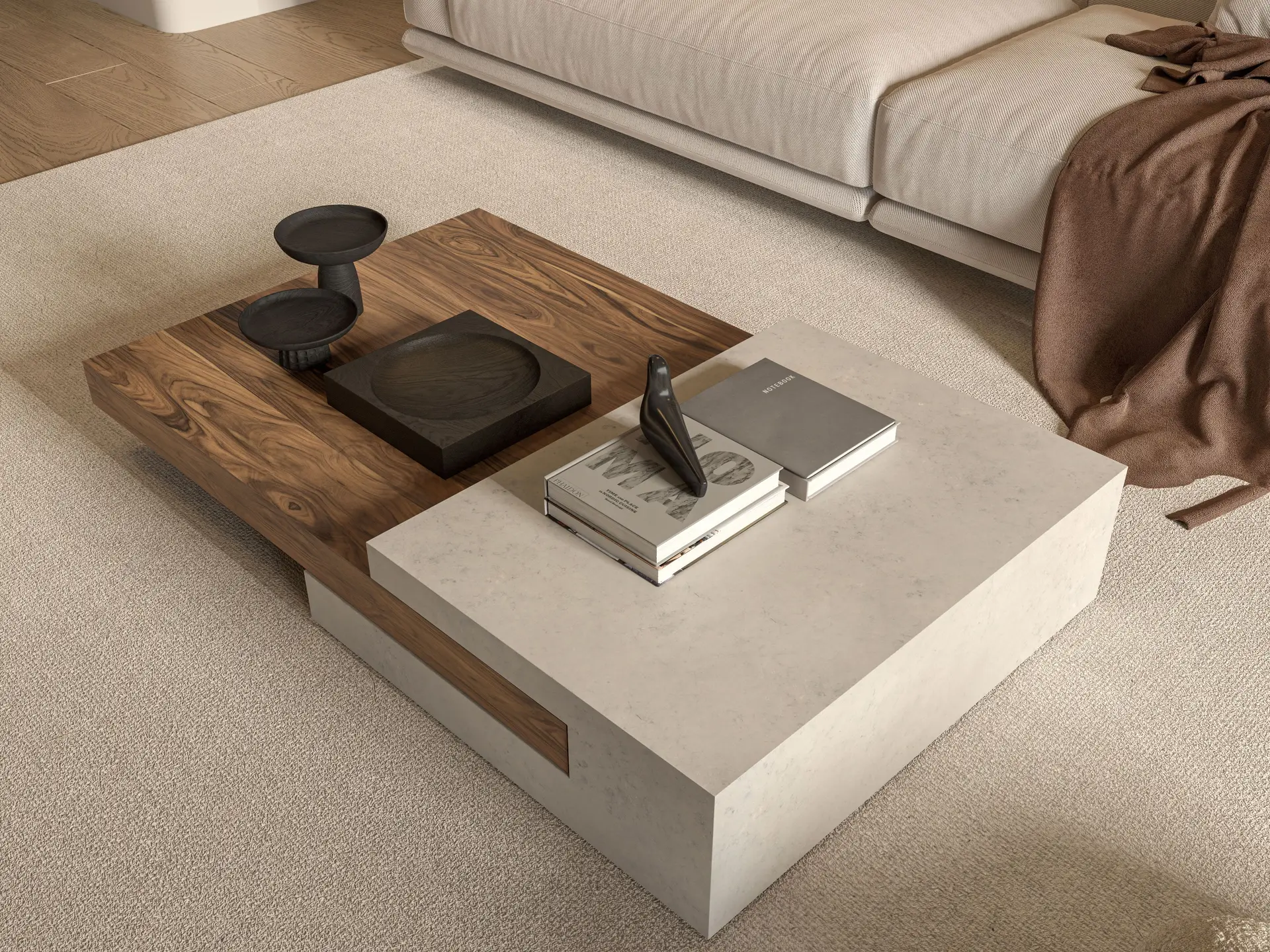
Artisanal forms carved from solid ash, aged bronze, and cast stone.
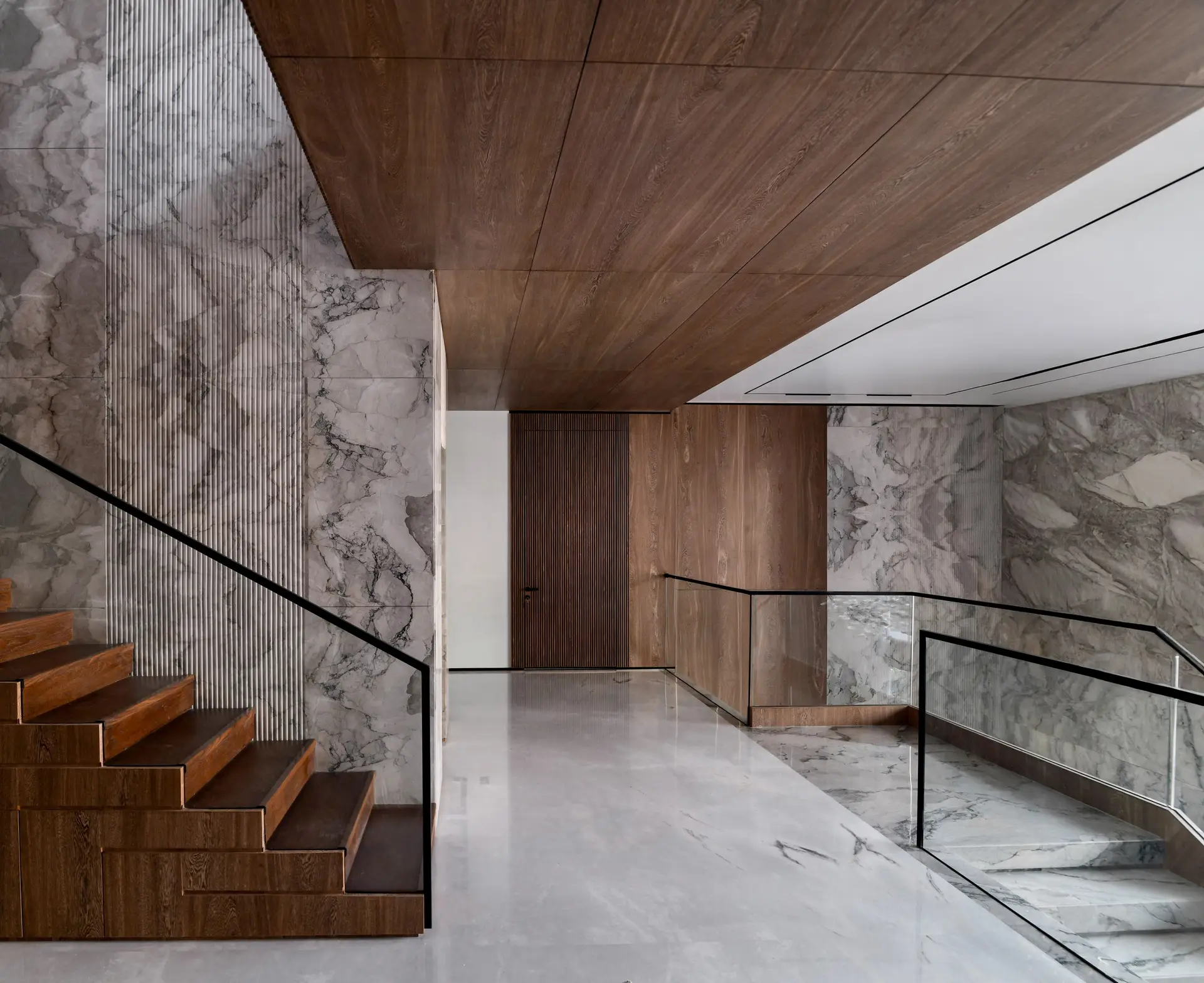
Honed British limestone, unbleached bouclé, and brushed timber.
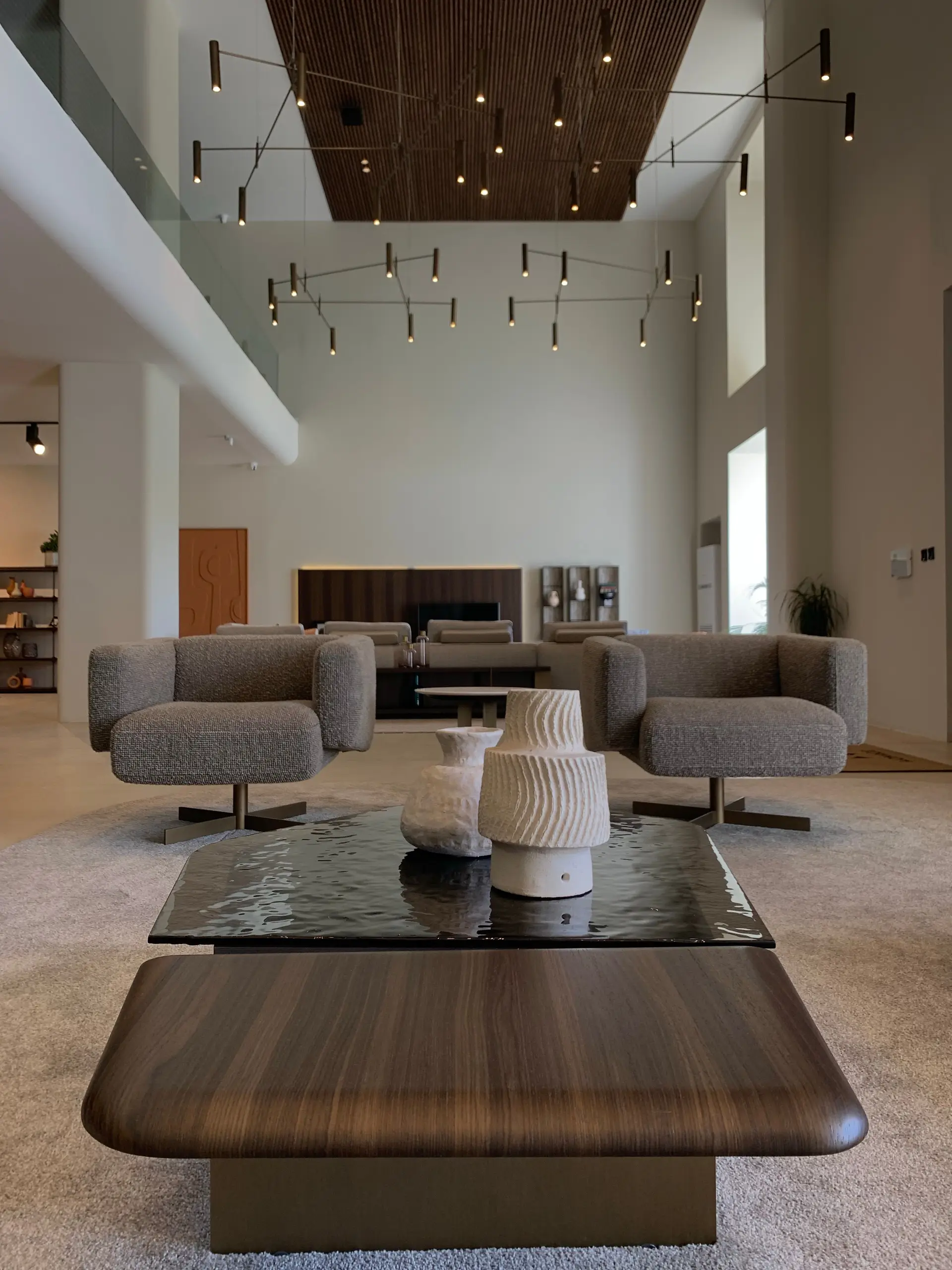
Architectural illumination calibrated for dusk, reflection, and quiet evening comfort.
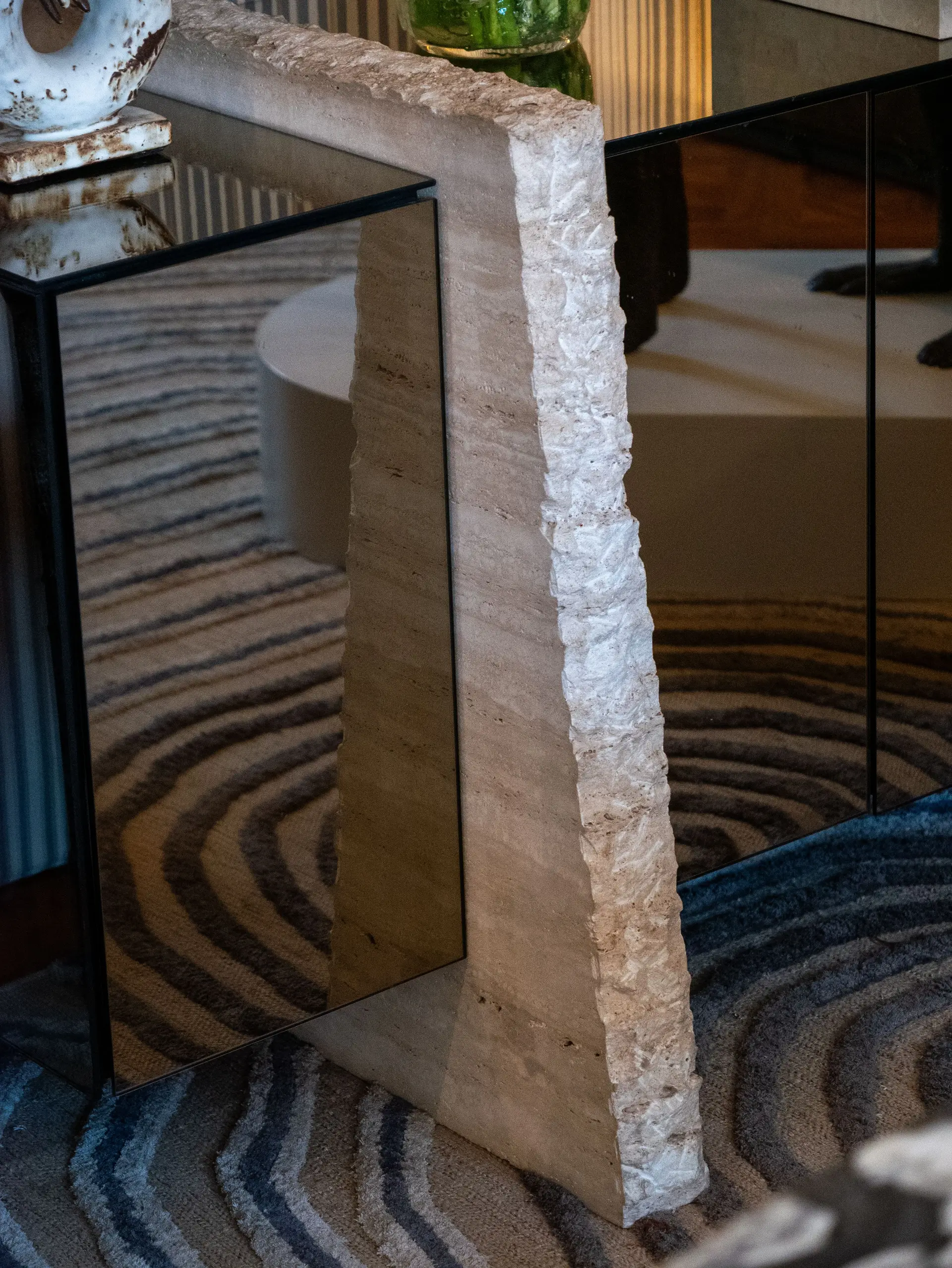
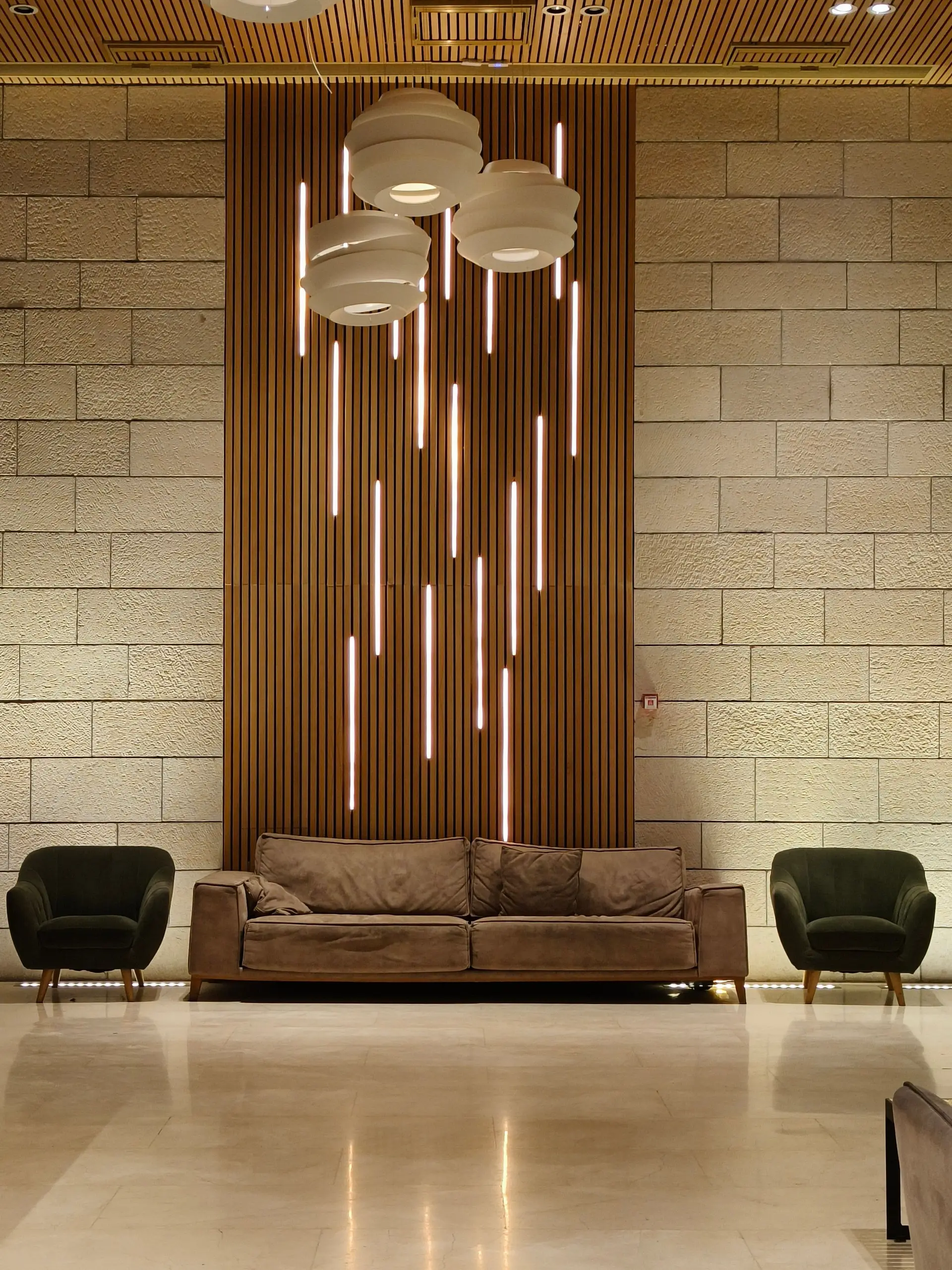
A visual portfolio of six residential environments defined by authentic material dialogue, architectural integrity, and muted palettes.
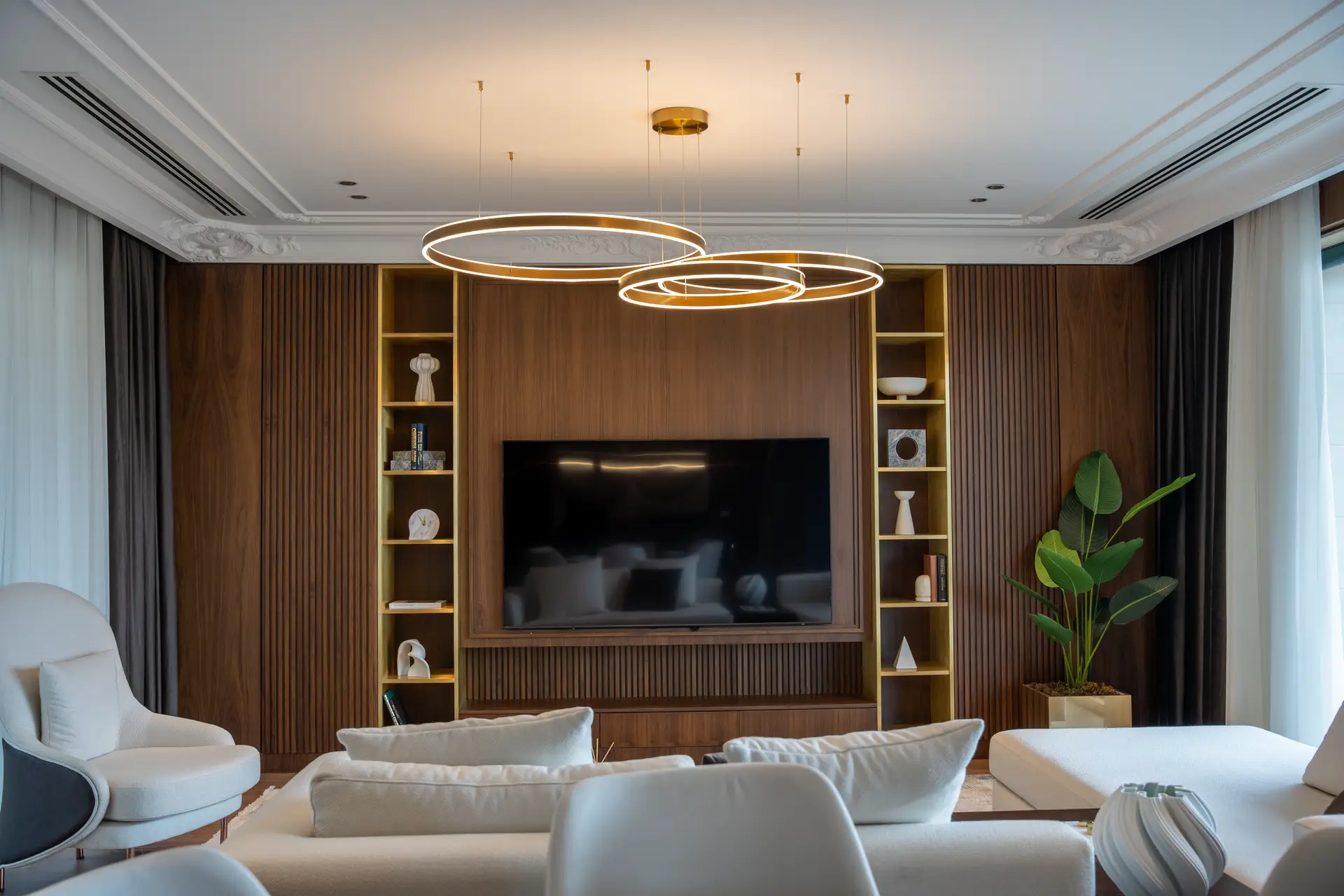
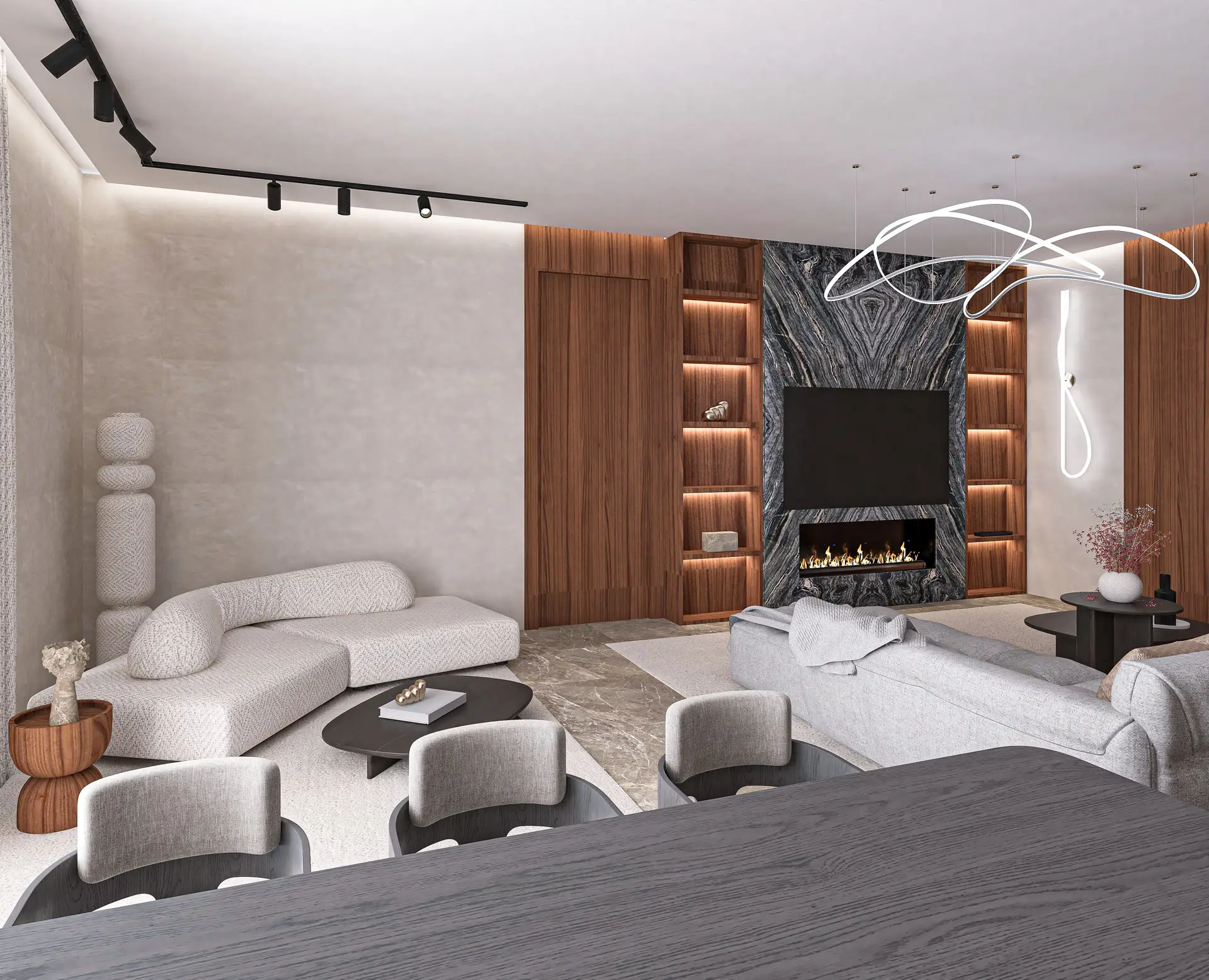
We collaborate closely with discerning homeowners and renovators to sculpt tranquil environments grounded in material honesty, bespoke spatial proportions, and timeless British character.
Translating personal aesthetics into coherent spatial plans, moodboards, textured palette directions, and bespoke joinery studies.
Refining furniture proportions, layered textile warmth, architectural lighting schemes, and effortless everyday living flow.
Expert selection of natural stone slabs, hand-finished timbers, breathable mineral lime paints, and tactile British weaves.
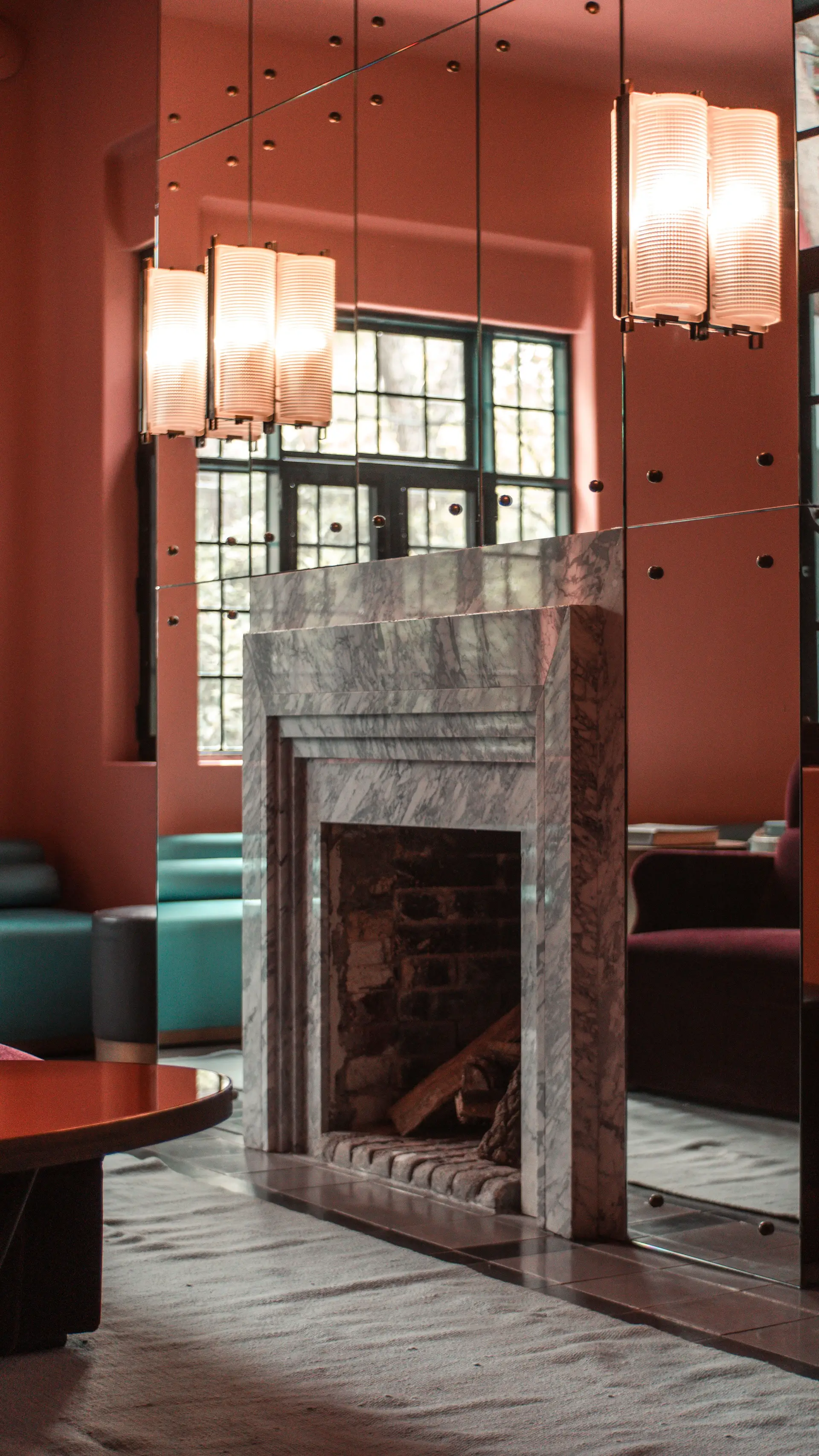
Practical ideas for interiors that feel balanced, beautiful and deeply personal.
Good interior design begins with the way a home is lived in, not with a catalogue of fashionable objects. Consider natural light, movement between rooms, everyday routines and the proportions of existing features before choosing a palette. For many British homes, interior design works best when it keeps architectural character visible while giving practical furniture arrangements enough space to breathe.
Natural stone, responsibly selected timber, tactile linen and softly finished metals create a durable foundation for rooms that evolve over time. In our view, interior design should favour materials that age with dignity rather than temporary decorative effects. A thoughtful interior design palette also introduces contrast through finish and texture, so even a restrained neutral scheme feels layered and memorable.
Furniture placement determines how comfortably people use a space. Measure circulation routes, the relationship between seats and the scale of side tables before selecting larger pieces. Successful interior design balances visual calm with sufficient comfort for daily life. A considered interior design approach gives individual objects purpose without overwhelming older architectural details, fireplaces or characteristic windows.
Clouded whites, chalky greys, muted bronzes and soft greens provide a useful starting point for rooms where daylight varies significantly across the year. Interior design in the United Kingdom benefits from testing undertones during bright mornings and darker afternoons. Rather than following trends blindly, thoughtful interior design can reflect the homeowner’s surroundings, favourite materials and preferred sense of warmth.
Good lighting planning begins before the finishing stage. Combine practical task light, comfortable general illumination and discreet accents that reveal texture without glare. Within residential interior design, the effect of a lamp depends on its beam, placement, colour temperature and surrounding finishes. Interior design should treat lighting as an essential spatial material, not as an accessory left until the last day.
A home feels personal when objects are chosen with intention. One meaningful artwork, an inherited chair or a quietly sculptural vessel can establish a richer identity than a room full of matched accessories. Our editorial view of interior design celebrates the dialogue between modern forms and familiar possessions. Interior design becomes more enduring when it leaves space for collections, changing routines and everyday use.
Before making purchases, create a short written brief describing the room’s function, priorities and constraints. Use samples, measured plans and reference photographs to make comparisons more reliable. A clear interior design brief helps preserve consistency as decisions are made gradually. By treating interior design as a sequence of considered choices, homeowners can refine a space without losing its essential character.
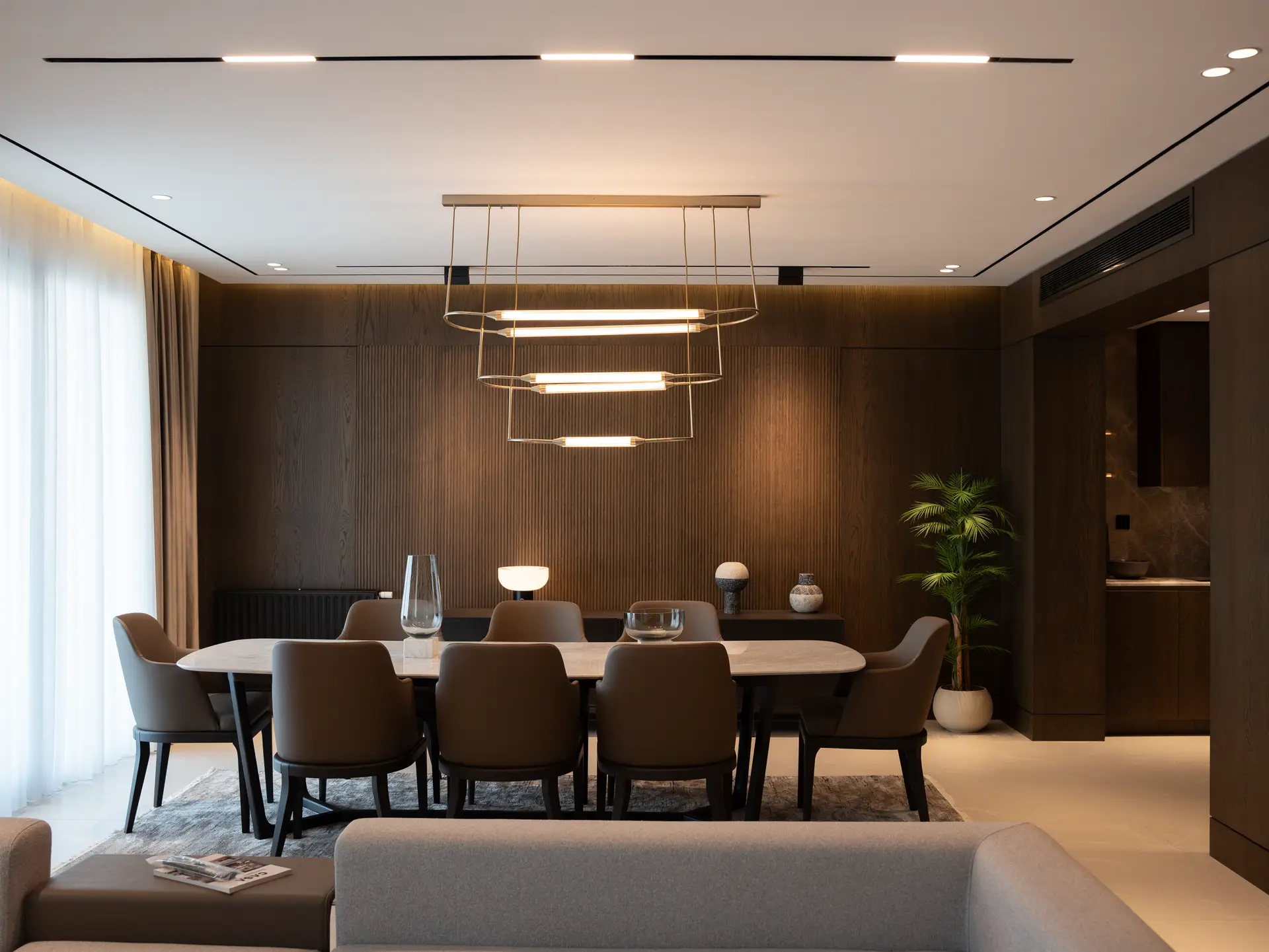
Whether planning a complete residential renovation or seeking considered direction for a single private sanctuary, we welcome thoughtful enquiries across the United Kingdom.