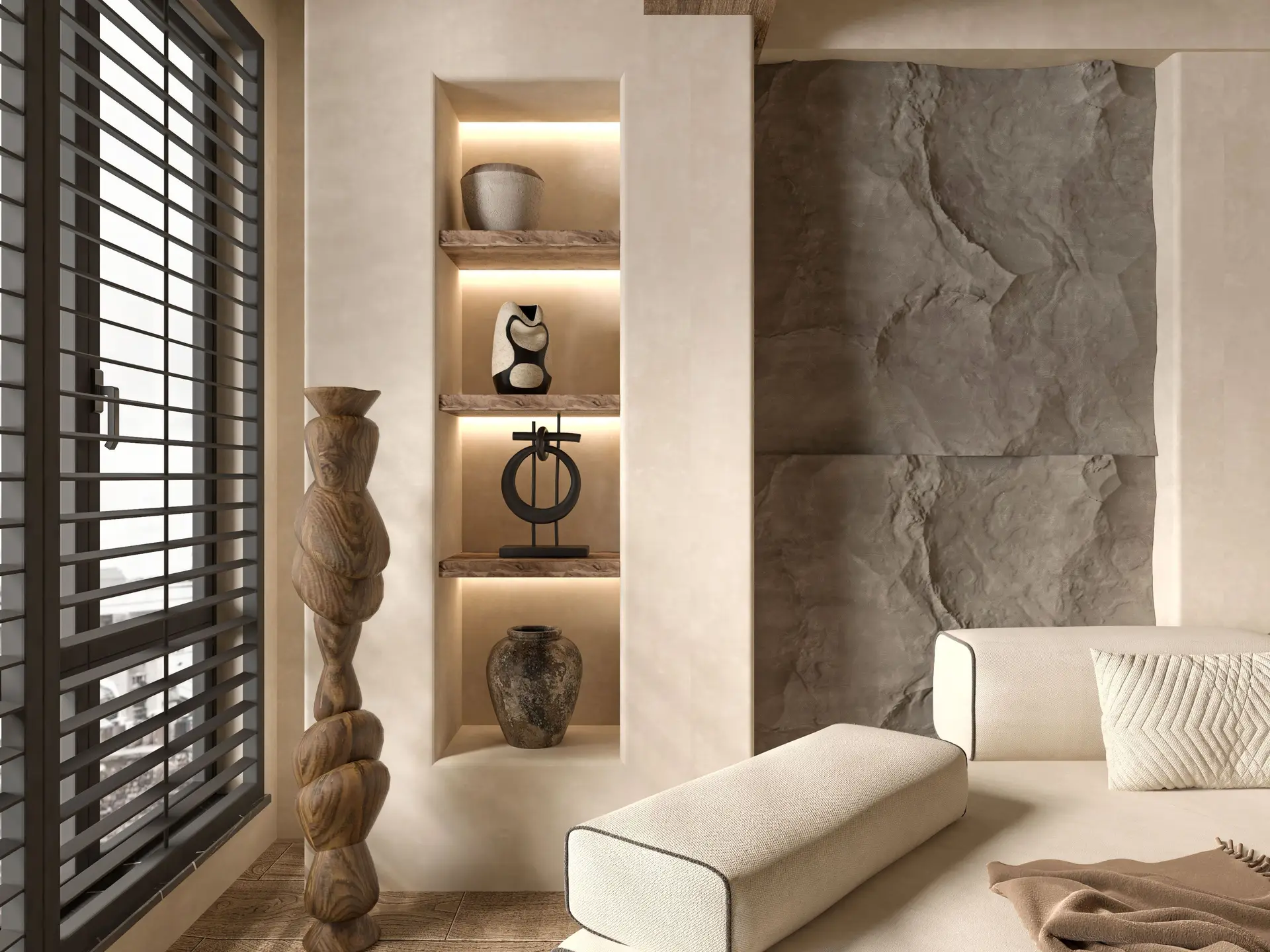
Materials
Creating Timeless Interiors with Natural Materials
A practical introduction to wood, stone, linen and tactile contrast.
Read more →Ideas and observations for people who value lasting materials, calm spaces and thoughtful residential design. Discover practical guidance for modern British interiors.
A practical introduction to wood, stone, linen and tactile contrast.
Read more →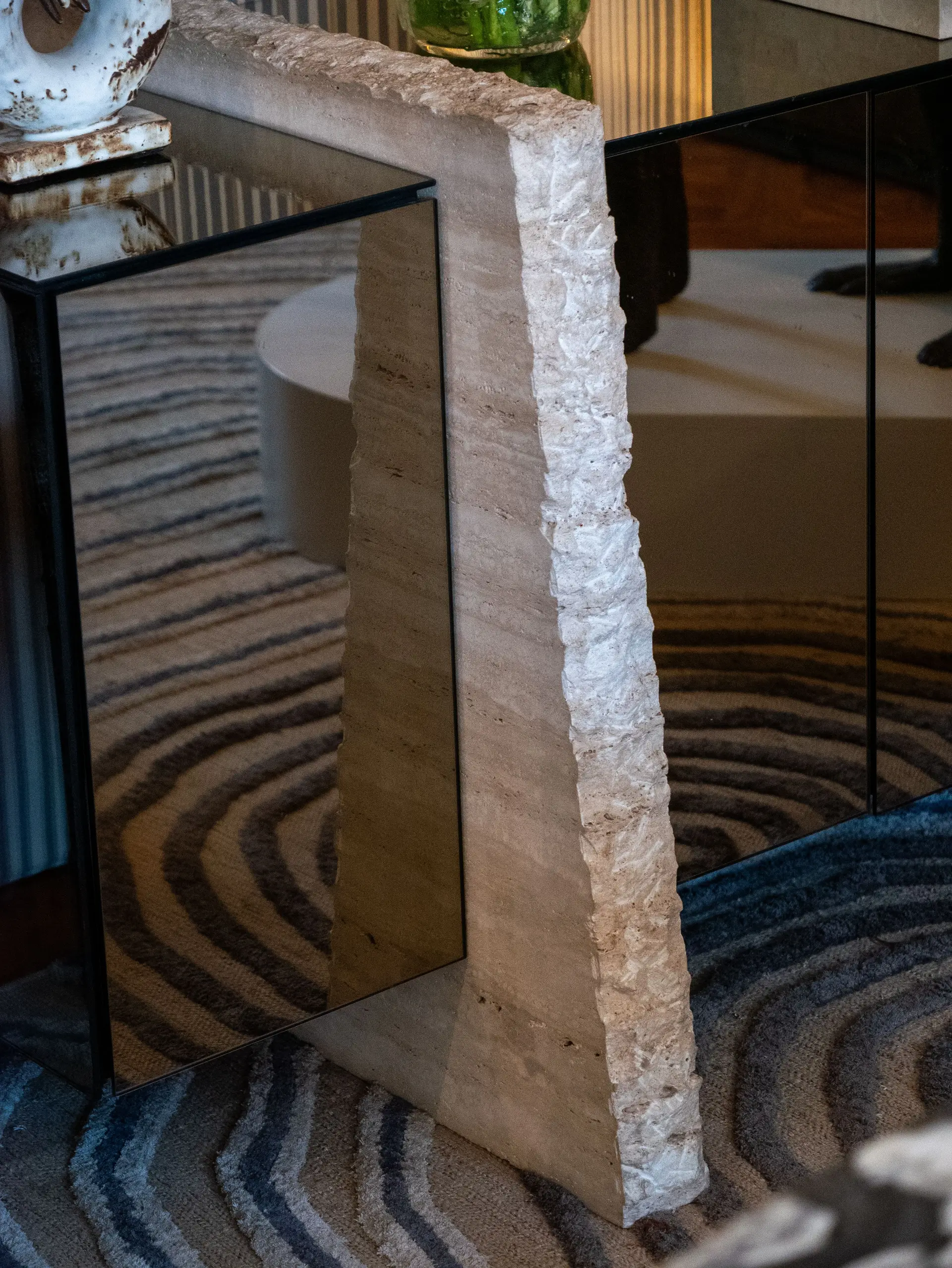
Use welcoming neutrals and considered details to create a quietly expressive interior.
Read more →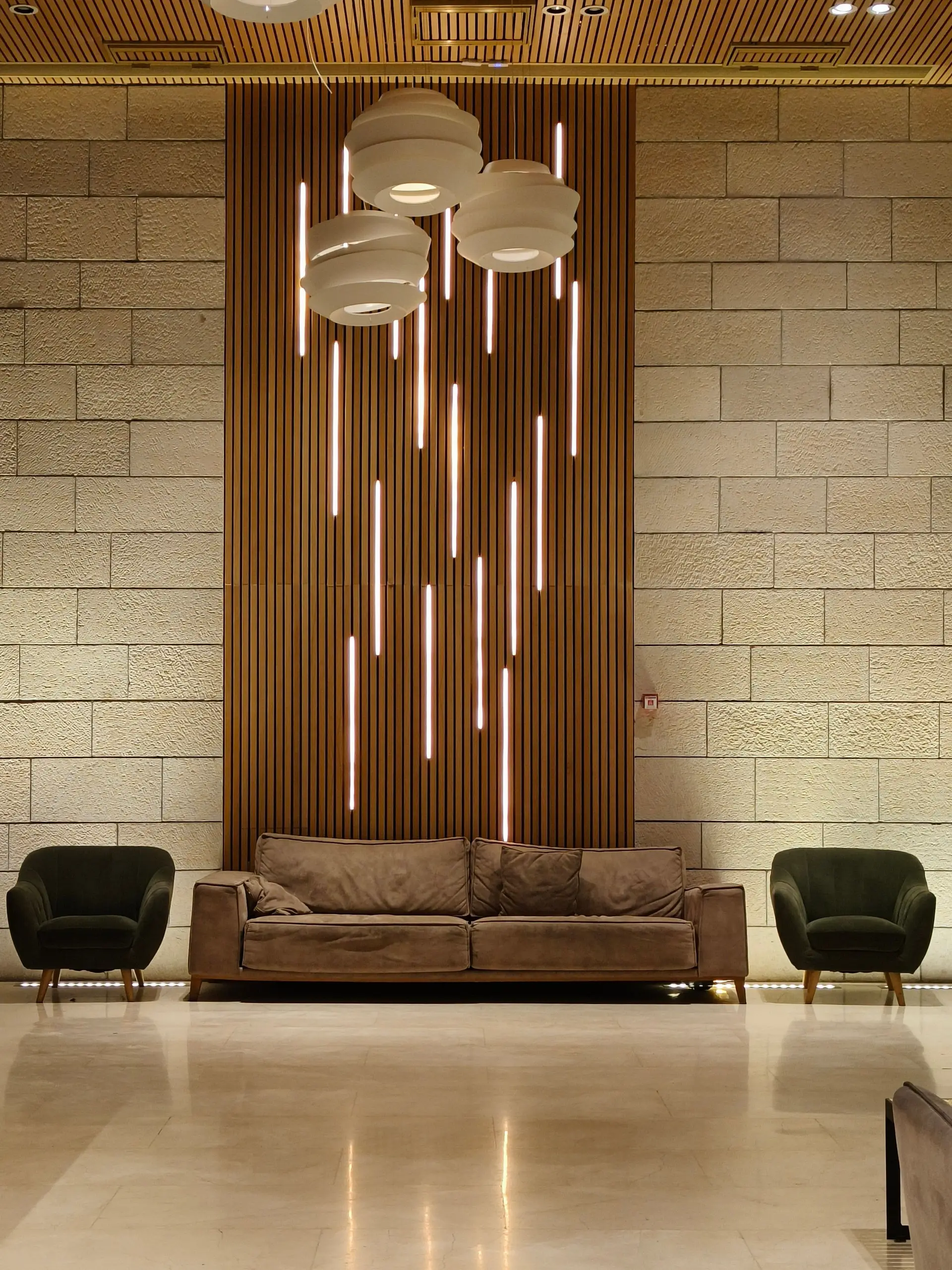
How undertones and material texture influence light and spatial harmony.
Read more →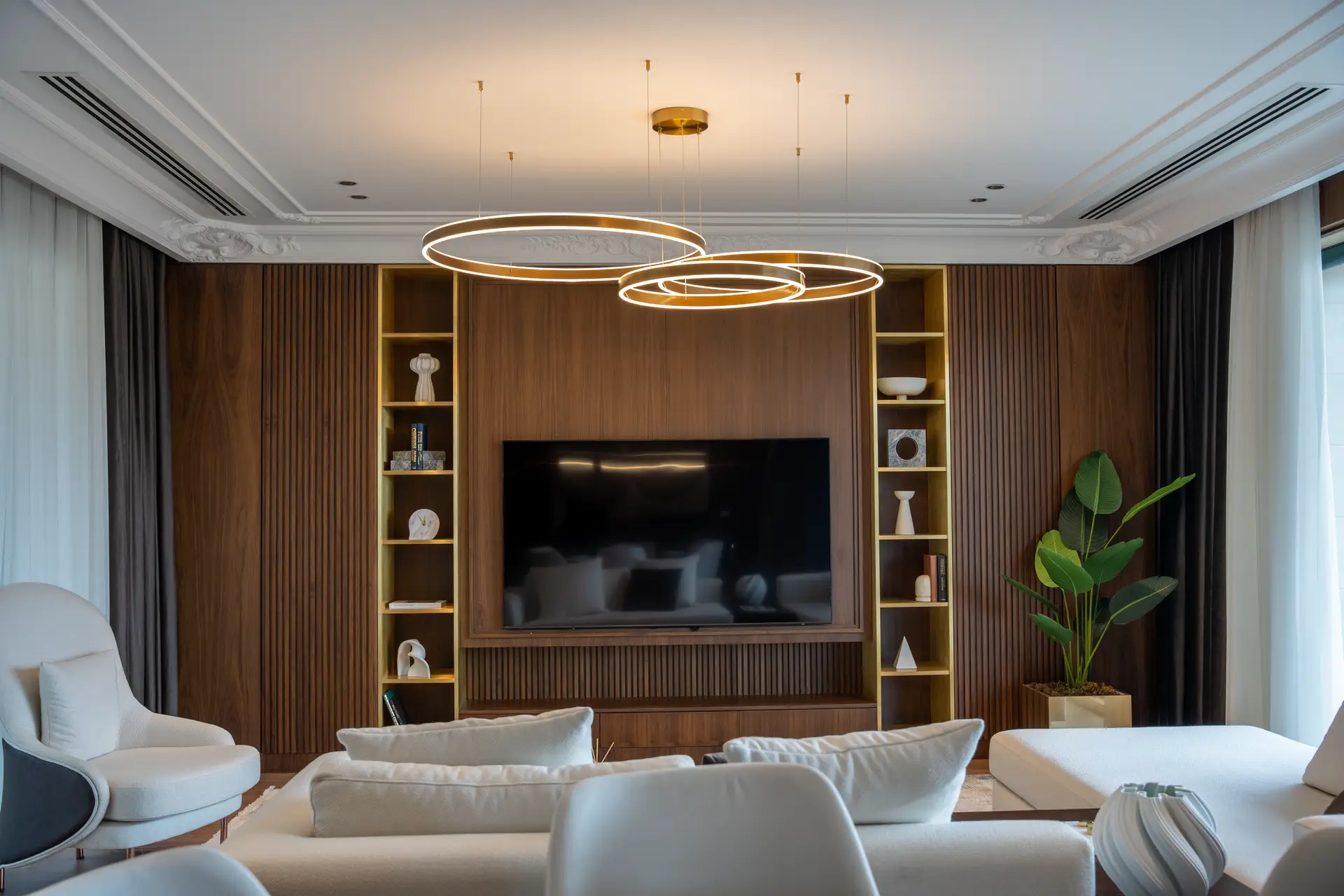
Explore how layered lighting shapes ambience and reveals fine materials.
Read more →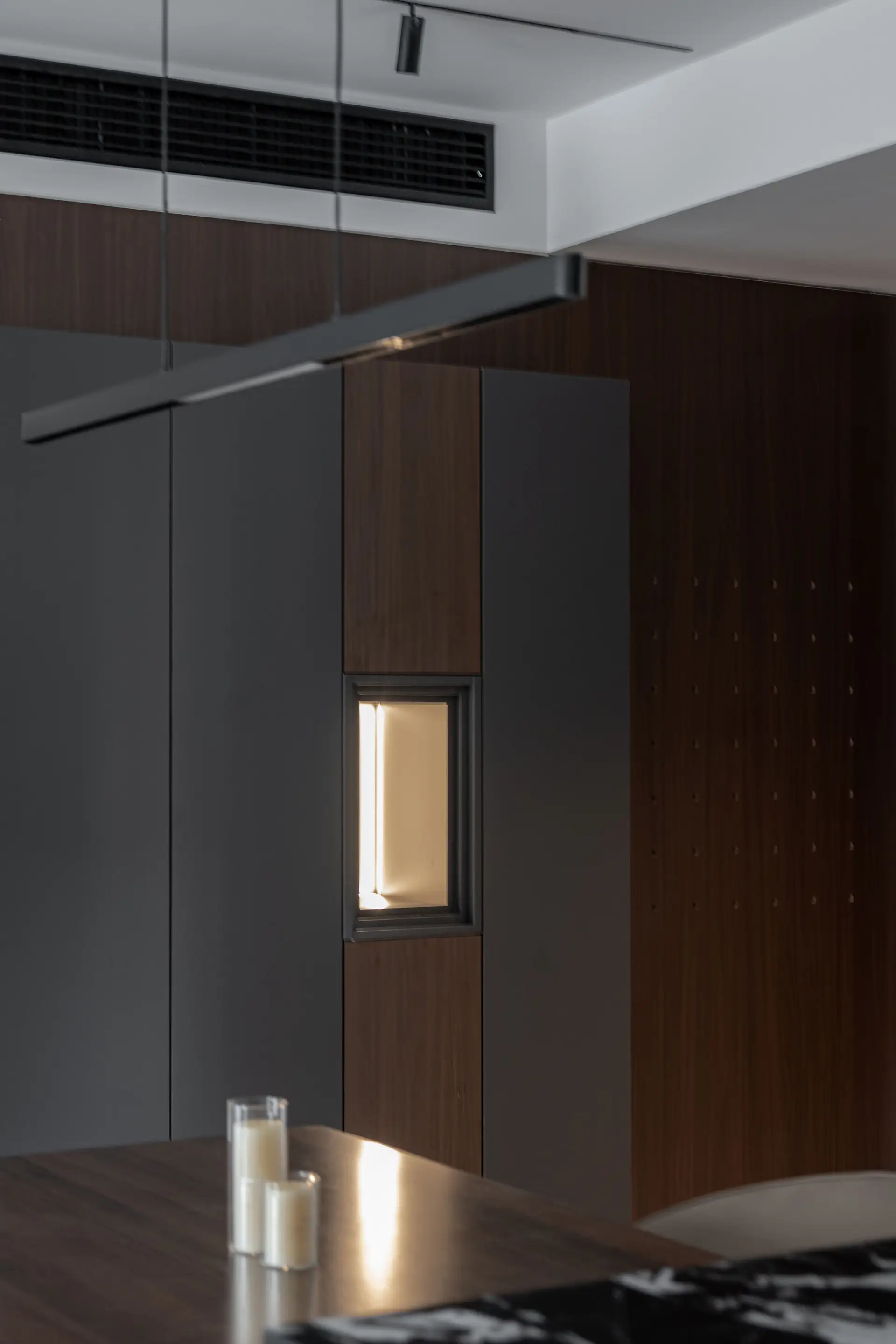
A balanced approach to architectural character and contemporary design.
Read more →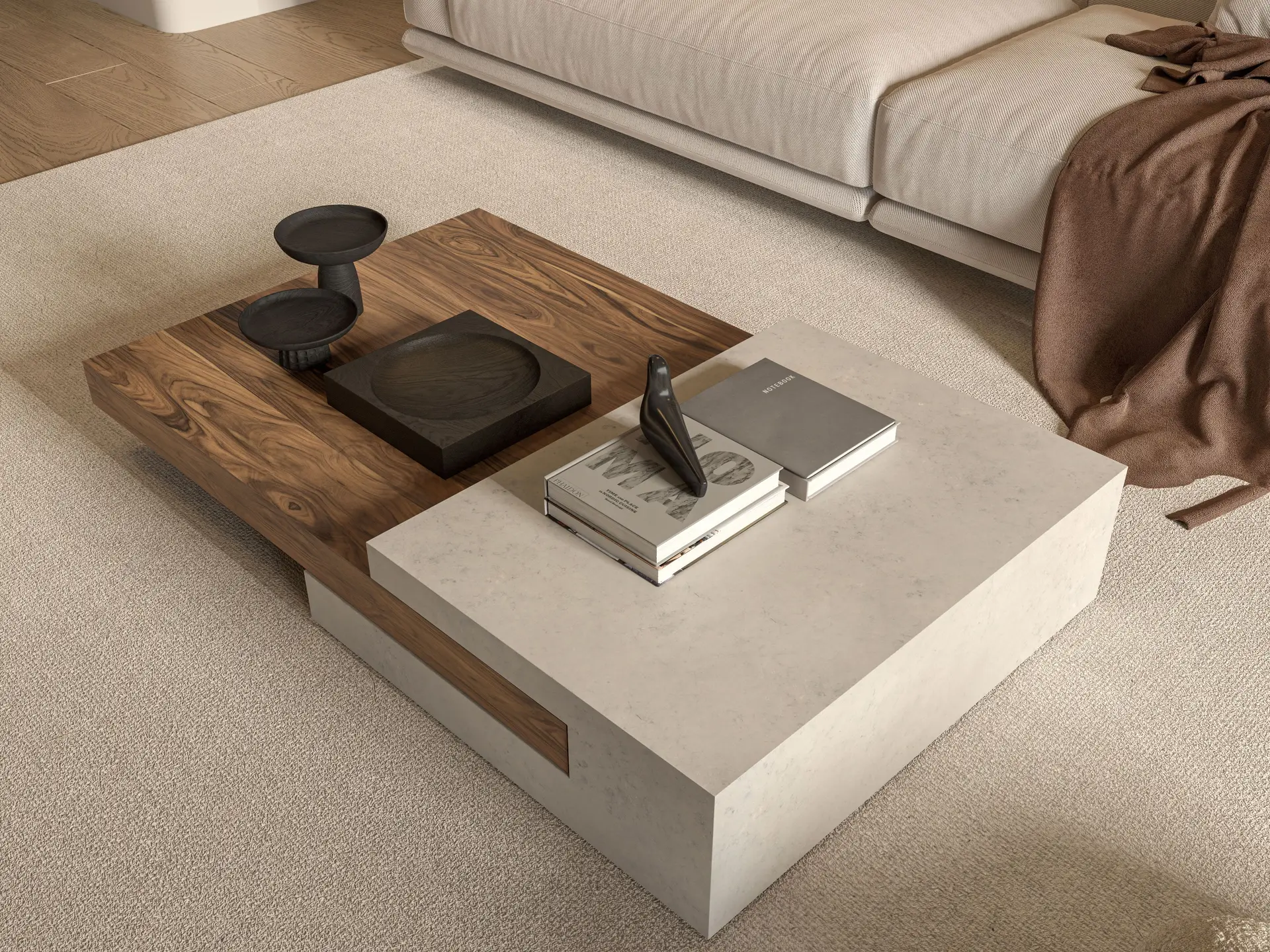
Thoughtful changes to composition, lighting and finishing details.
Read more →Warm minimalism is not about removing everything from a home. Begin with a limited set of finishes, then build character through comfortable proportions, tactile surfaces and meaningful personal objects.
Choose ivory, oat, limestone and soft taupe instead of relying on a single shade of white. A subtle difference in tone helps create depth while retaining a quiet visual rhythm.
Pair matte plaster with brushed timber, natural wool and a tactile upholstery weave. Consistent quality is more important than expensive statement pieces.
Give each object sufficient breathing room. Keep everyday essentials accessible and choose storage that contributes to the architecture rather than visually competing with it.
Consider when daylight enters each room. North-facing spaces often benefit from warmer undertones, while brighter rooms can support deeper earthy palettes.
Paint and fabric samples should be viewed in morning, afternoon and artificial light. Small swatches can feel dramatically different when applied to a large surface.
Matte stone beside softly reflective metal creates depth without introducing a bold colour. Similarly, polished timber can balance a deeply textured textile.
Select a principal neutral, a supporting colour and one restrained accent. Repeat them thoughtfully in furniture, walls and smaller decorative elements.
Existing cornices, fireplaces and original joinery can create a compelling backdrop. Treat these details as anchors rather than obstacles to a modern scheme.
A contemporary sofa can coexist with traditional architectural panelling when scale and spacing are considered carefully. Prioritise balance over strict period matching.
Stone, timber, bronze and muted textiles create a shared material story across different furniture eras.
One clean-lined light fixture against detailed plasterwork often creates more impact than many competing decorative gestures.
Move seating to support conversation, improve circulation and establish a clear focal point. Even a modest adjustment can make the room feel more generous.
Combine task lamps, ambient ceiling light and one softer accent light. Select warm, comfortable light levels rather than relying on a single bright source.
New cushion covers, a substantial rug or carefully selected curtain fabric can transform atmosphere without major construction.
Repeat one subtle material or colour in three places: a frame, a small object and a textile. This creates cohesion without making everything match.